
Almond trees on Mallorca
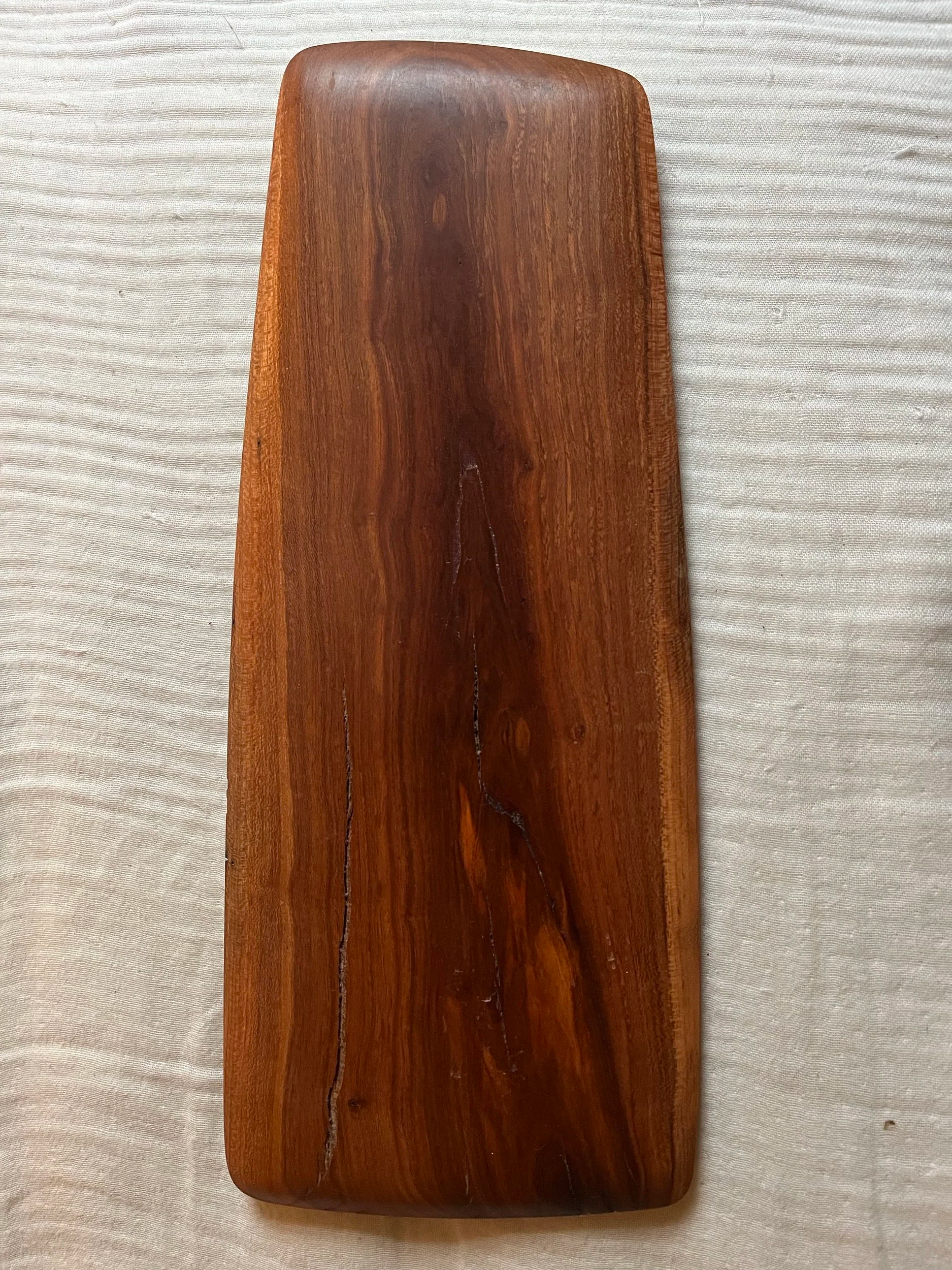
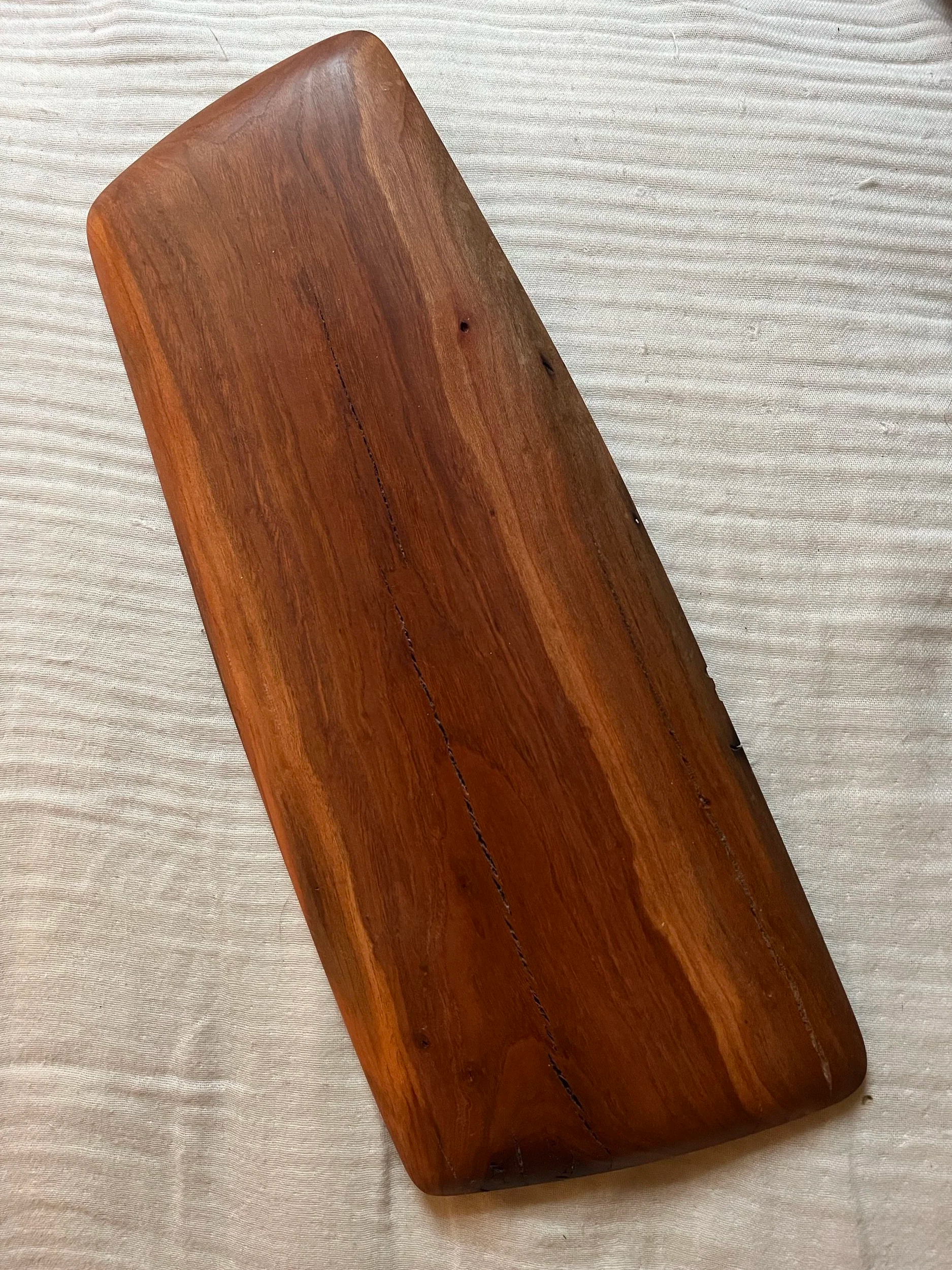
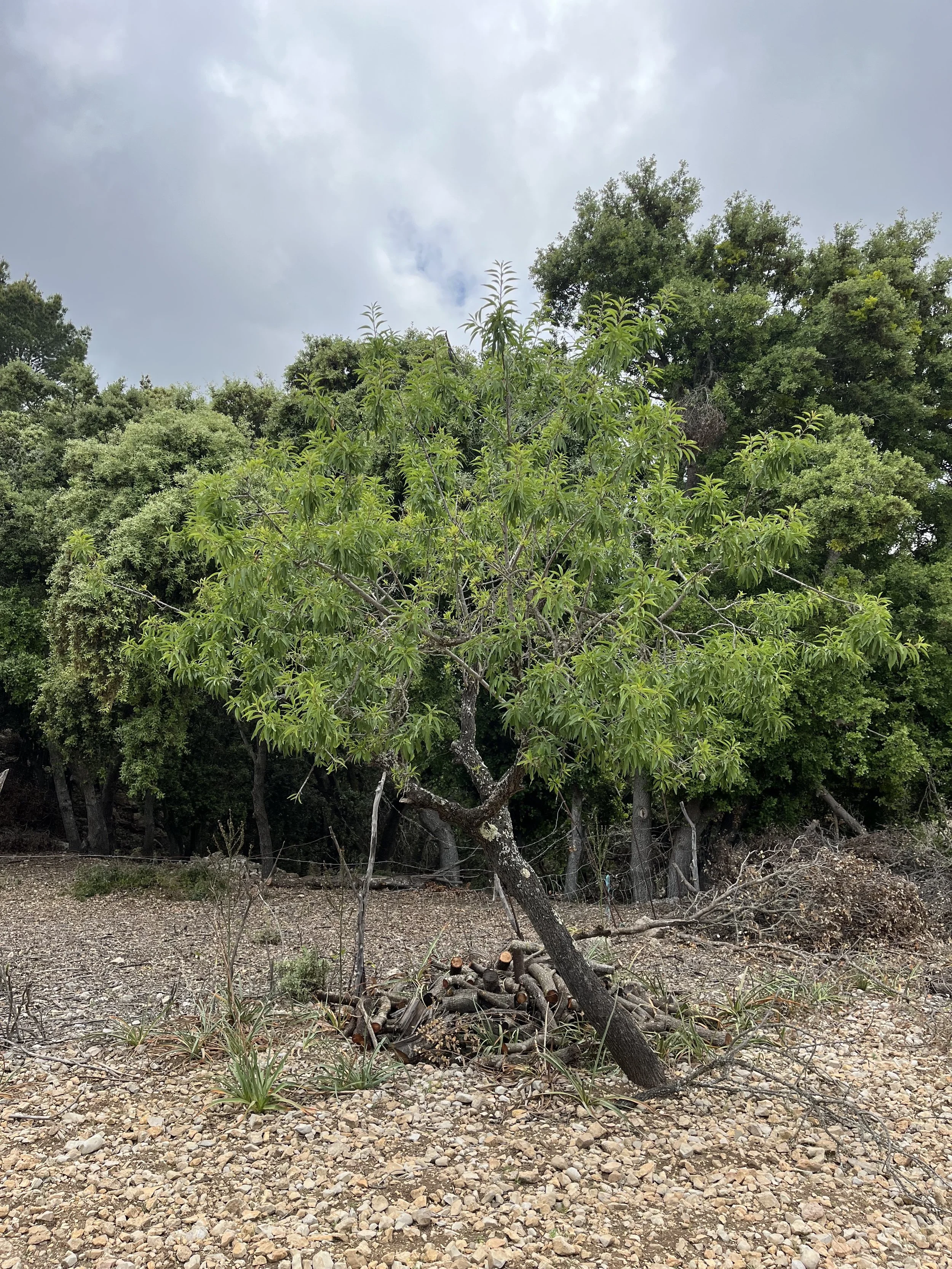
Mallorca has a long tradition of almond tree (prunus dulcis) cultivation, in former times the Balearic Islands stood out for their richness in varieties of fruit trees. However, in recent decades industrial production systems have favored new foreign varieties, based on productivity and with quality detriment, which lead to an expulsion of traditional varieties from the market, which are greater in taste & better adapted to the environment. In last decades due to cheap almonds from overseas, the cultivation of local varieties became unsustainable. Its only fame is to attract tourist during flowering season. In addition to the loss of varieties, the islands' agriculture suffered the impact of the tourism boom of the 1960s, which led to the abandonment of crops and the countryside as a means of life. To these painful circumstances we must still add the drop in prices that agricultural products have suffered in recent decades. The almond tree exemplifies this entire process very well: more and more farmers no longer collect almonds and more and more almond trees are disappearing; the price of almonds 30 years ago was €5 per kilo, while today it is around €1.5. This unsustainable market situation inevitably leads to an unstoppable loss of agri-food biopersity, with its consequent impact on the landscape, the rural world and gastronomic culture. Lastly the xyllela fasidiosa bacterium is killing the trees that still prevailed. Again, we only use the wood of dead trees for our tablas.
Mallorca cuenta con una larga tradición en el cultivo del almendro (Prunus dulcis); en épocas pasadas, las Islas Baleares destacaban por su gran variedad de árboles frutales. Sin embargo, en las últimas décadas, los sistemas de producción industrial han favorecido nuevas variedades extranjeras, basadas en la productividad y en detrimento de la calidad, lo que ha provocado la expulsión del mercado de las variedades tradicionales, que son más sabrosas y están mejor adaptadas al entorno. En las últimas décadas, debido a las almendras baratas procedentes del extranjero, el cultivo de variedades locales dejó de ser rentable. Su única fama es la de atraer turistas durante la época de floración. Además de la pérdida de variedades, la agricultura de las islas sufrió el impacto del auge turístico de la década de 1960, lo que provocó el abandono de los cultivos y del campo como medio de vida. A estas dolorosas circunstancias hay que sumar, además, la caída de los precios que han sufrido los productos agrícolas en las últimas décadas. El almendro ilustra muy bien todo este proceso: cada vez son más los agricultores que dejan de recolectar almendras y cada vez desaparecen más almendros; el precio de las almendras hace 30 años era de 5 € el kilo, mientras que hoy ronda el 1,5 €. Esta situación de mercado insostenible conduce inevitablemente a una pérdida imparable de la biodiversidad agroalimentaria, con el consiguiente impacto en el paisaje, el mundo rural y la cultura gastronómica. Por último, la bacteria Xylella fasidiosa está matando los árboles que aún quedaban. Una vez más, para nuestras tablas solo utilizamos la madera de árboles muertos.
INGREDIENT(E)S
MALLORCAN ALMOND WOOD, MALLORCAN BEES WAX, MALLORCAN OLIVEOIL Madera de almendro, cera de abeja y aceite de oliva, todo de Mallorca.